- 2026 Plastic Industry Market Size and Development Status
- What are the main components of non-woven fabric color masterbatches? What are the roles of the carrier, pigment, and dispersant?
- What are the main components of polypropylene color masterbatch? What are the functions of the carrier, pigment, and dispersant?
- What is nylon color masterbatch? How is it different from color powder and color paste?
- Why are nylon color masterbatches classified as spinning grade, injection molding grade, and film grade?

- Tel: 0086-13705451607
- Fax: 0086-0535-8719999
- Email: lkhc668@sohu.com
- Add: East Heping, High-tech Zone, Longkou City, Shandong Province
What are the main components of non-woven fabric color masterbatches? What are the roles of the carrier, pigment, and dispersant?
Three core components
non-woven fabric color masterbatches are specialized coloring raw materials for the spinning and lamination processes of non-woven fabrics. They are mainly composed of three basic components: carrier, pigment, and dispersant. Some products may add supporting additives according to requirements. Each component has a clear function and works together to ensure stable coloring and smooth processing, suitable for production conditions such as spunbonding and meltblowning of non-woven fabrics.
Function descriptions of each component
The carrier is the base of the color masterbatch and also the carrier medium for the pigment. Generally, it is made of a high-molecular material that is compatible with the non-woven fabric substrate. Its function is to encapsulate the pigment, allowing the color masterbatch and the non-woven fabric raw materials to be uniformly mixed. During high-temperature processing, they can simultaneously melt and flow, carrying the pigment and dispersing it into the melt. The melting characteristics and fluidity of the carrier need to match the spinning temperature of the non-woven fabric, and insufficient compatibility may lead to problems such as melt stratification, broken filaments, and color spots on the fabric surface.
The pigment is the core component that provides color, determining the color light and coloring effect of the finished non-woven fabric. Pigments are divided into inorganic and organic types, and can be selected based on requirements such as weather resistance, temperature resistance, and color fastness. The pigment particles are small, and directly adding them to the raw materials is prone to agglomeration. With the cooperation of the carrier and dispersant, they can be evenly distributed inside the fibers to avoid color spots and color differences, ensuring uniform fabric color.
The dispersant is a key auxiliary agent of the color masterbatch. Its main function is to wet the pigment particles, break the pigment agglomerates, and prevent the particles from re-aggregating during processing. It can reduce the adsorption force between pigments, allowing the pigments to be stably dispersed in the carrier melt, improving the coloring uniformity, and reducing the risk of clogging of the filter screen of the spinning equipment and breakage of filaments, thereby enhancing the appearance quality of the non-woven fabric finished product.
Summary of selection
The carrier determines compatibility and processing adaptability, the pigment determines color and fastness performance, and the dispersant determines dispersion effect and production stability. Due to the large differences in non-woven fabric production conditions, meltblown and spunbonding processes have different requirements for temperature resistance and fluidity. When selecting color masterbatches, it is necessary to comprehensively consider the substrate type, processing temperature, and application scenarios of the finished product, conduct small-scale trials on the machine, and confirm that the fabric color and spinning state meet the standards before using them in batches.
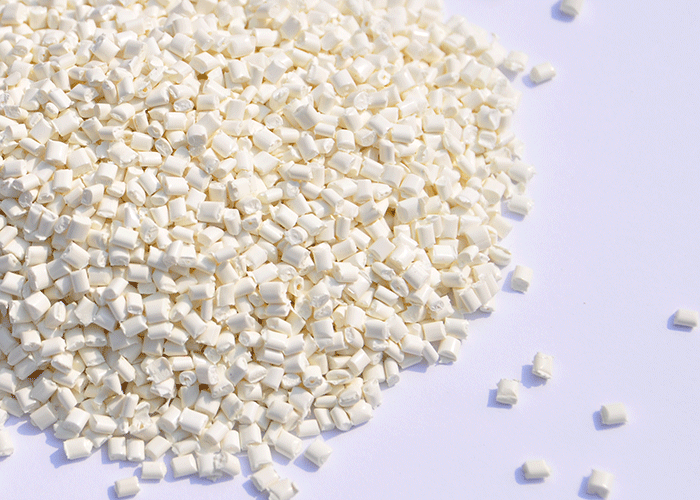
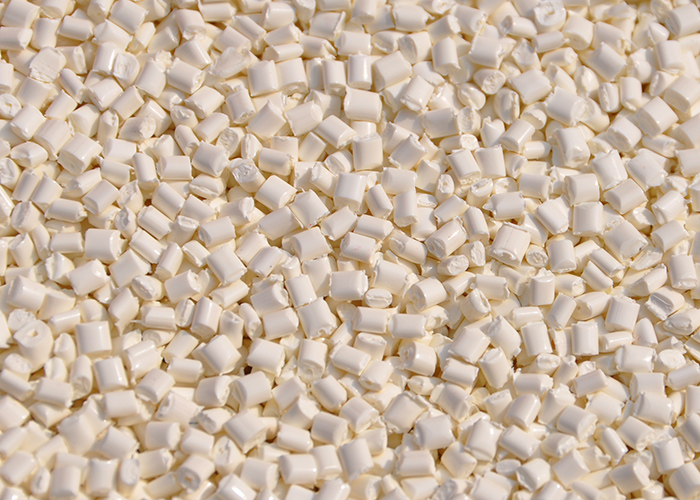
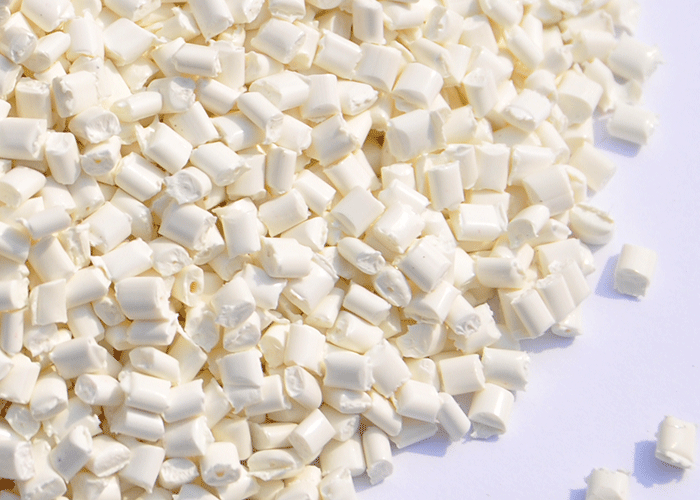
- What are the main components of non-woven fabric color masterbatches? What are the roles o
- 2026 Plastic Industry Market Size and Development Status
- What are the main components of polypropylene color masterbatch? What are the functions of
- What is nylon color masterbatch? How is it different from color powder and color paste?
- Why are nylon color masterbatches classified as spinning grade, injection molding grade, a
- Can polyester color masterbatch and polypropylene color masterbatch be used interchangeabl
- Why are polyester color masterbatches divided into injection molding grade, spinning grade
- The development of the plastic industry from January to October 2026
- Polypropylene color masterbatch offers uniform coloration and strong stability.
- Polyamide color masterbatch: A coloring solution suitable for high-temperature processes