- What are the main components of polypropylene color masterbatch? What are the functions of the carrier, pigment, and dispersant?
- What is nylon color masterbatch? How is it different from color powder and color paste?
- Why are nylon color masterbatches classified as spinning grade, injection molding grade, and film grade?
- Can polyester color masterbatch and polypropylene color masterbatch be used interchangeably? What are the differences?
- Why are polyester color masterbatches divided into injection molding grade, spinning grade, and film grade?
- The development of the plastic industry from January to October 2026

- Tel: 0086-13705451607
- Fax: 0086-0535-8719999
- Email: lkhc668@sohu.com
- Add: East Heping, High-tech Zone, Longkou City, Shandong Province
What are the main components of polypropylene color masterbatch? What are the functions of the carrier, pigment, and dispersant?
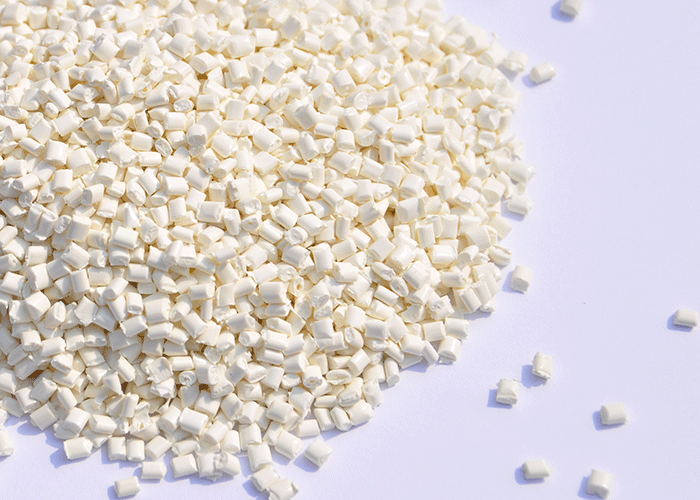
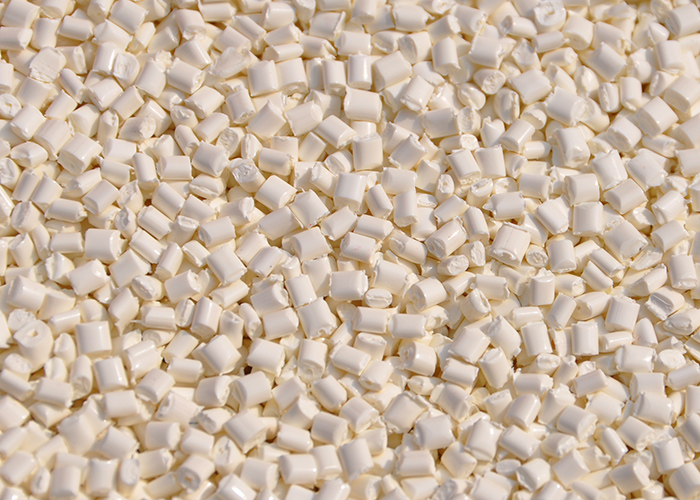
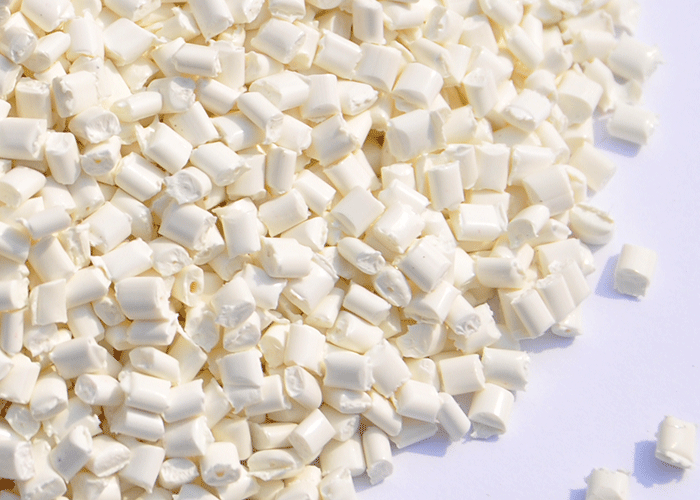
polypropylene color masterbatch is the core additive for dyeing the original liquid. It is mainly composed of three basic components: carrier, coloring pigment, and dispersant. Some products may add a small amount of functional additives as needed. Each component has a clear role and works together to ensure uniform coloring and stable processing, suitable for polypropylene spinning production.
Carrier: The base of the color masterbatch, determining the processing adaptability
The carrier is the basic framework of the color masterbatch. Generally, a resin with compatibility matching the polypropylene substrate is selected. Its melting property should be close to that of the polypropylene raw material, and it can melt and flow synchronously at the spinning temperature, driving the pigment to be uniformly dispersed in the melt. The carrier plays the role of carrying the pigment, avoiding the agglomeration and飞扬 of pigment powder, facilitating transportation, measurement, and feeding.
The selection of the carrier directly affects the spinning stability. If the compatibility between the carrier and polypropylene is poor, problems such as abnormal melt flow, broken fibers, and color spots may occur. A suitable carrier can also improve the fusion effect between the color masterbatch and the base resin, reducing precipitation, and ensuring the stability of the finished fiber appearance.
Pigment: Provides color, determines the coloring effect
Pigment is the core component for achieving coloring, giving polypropylene fibers the required color. Pigments are divided into two categories: inorganic pigments and organic pigments. Both have their own characteristics in terms of temperature resistance, weather resistance, and migration resistance.
Pigments need to withstand the high-temperature environment of polypropylene spinning, and should not decompose or change color easily under heat. At the same time, the temperature resistance and migration resistance of the pigment itself will directly affect the color fastness of the finished colored yarn. If the pigment selection is inappropriate, it is easy to cause fading and color bleeding during use, affecting the fabric quality. Pigments are powder, and if directly fed, they are prone to agglomeration. They must rely on the carrier and dispersant to be used normally.
Dispersant: Breaks agglomeration, ensures uniform coloring
Dispersant is a key additive connecting the carrier and the pigment. Its main function is to encapsulate the pigment particles, break the agglomeration of pigment powder, and allow the fine pigment particles to be uniformly dispersed in the carrier melt.
Without dispersant, the pigment is prone to form large particles, resulting in color spots, knots, and blockages in the spinning components, causing frayed fibers and broken fibers. The dispersant can reduce the adsorption force between pigment particles, improve the flow and dispersion of pigment in the melt, and ensure uniform and stable color. At the same time, a suitable dispersant can also improve the melt flowability and reduce processing resistance, reducing equipment fouling.
Summary of component selection
Only by the coordinated cooperation of these three components can stable polypropylene color masterbatch be produced. The carrier is selected based on compatibility, the pigment based on temperature resistance and fastness, and the dispersant based on the dispersing effect. In actual selection, it is necessary to combine the spinning process and the final use, comprehensively match the formulation system, and prioritize the use of machine samples to verify the coloring effect and spinning stability, avoiding problems such as color spots, precipitation, and color change, and ensuring the smoothness of the original liquid dyeing production.
- What are the main components of polypropylene color masterbatch? What are the functions of
- What is nylon color masterbatch? How is it different from color powder and color paste?
- Why are nylon color masterbatches classified as spinning grade, injection molding grade, a
- Can polyester color masterbatch and polypropylene color masterbatch be used interchangeabl
- Why are polyester color masterbatches divided into injection molding grade, spinning grade
- The development of the plastic industry from January to October 2026
- Polypropylene color masterbatch offers uniform coloration and strong stability.
- Polyamide color masterbatch: A coloring solution suitable for high-temperature processes
- Polyamide color masterbatch is evenly dispersed and resistant to high temperatures. It is
- Polyester color masterbatch - Uniform dispersion, suitable for spinning, stable color, spe