- Can polyester color masterbatch and polypropylene color masterbatch be used interchangeably? What are the differences?
- Why are polyester color masterbatches divided into injection molding grade, spinning grade, and film grade?
- The development of the plastic industry from January to October 2026
- Polypropylene color masterbatch offers uniform coloration and strong stability.
- Polyamide color masterbatch: A coloring solution suitable for high-temperature processes

- Tel: 0086-13705451607
- Fax: 0086-0535-8719999
- Email: lkhc668@sohu.com
- Add: East Heping, High-tech Zone, Longkou City, Shandong Province
Polyamide color masterbatch: A coloring solution suitable for high-temperature processes
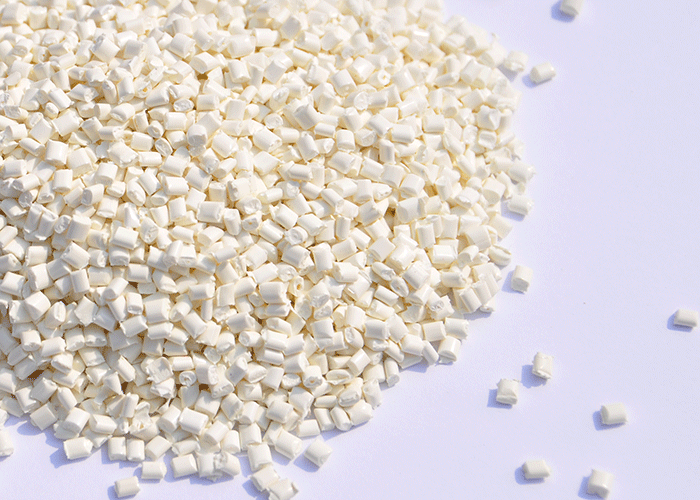
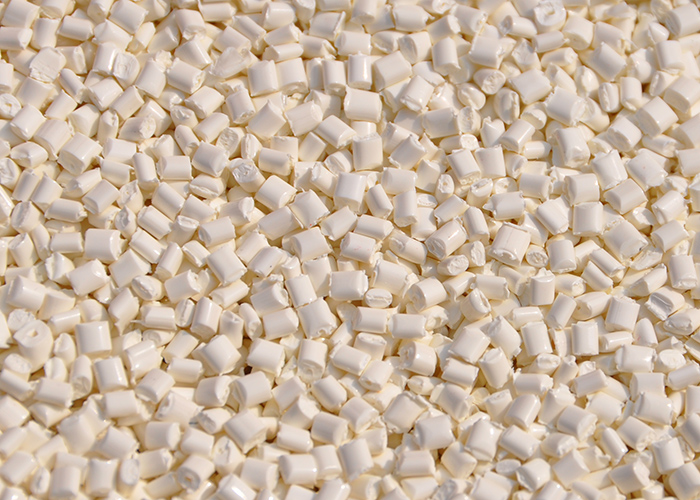
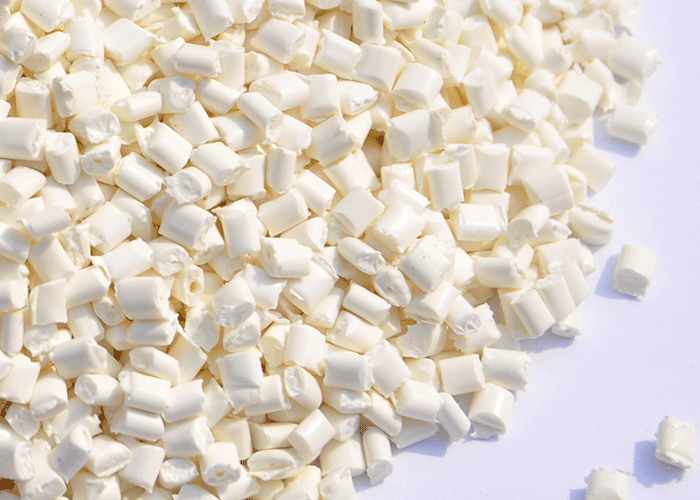
In the spinning production of polyamide (polyamide) fibers, color masterbatch is the main method for achieving uniform coloration of the material. It uniformly loads high-concentration pigments onto the polyamide carrier resin in the form of particles, and then blends and melts them with the spinning base material to directly incorporate the color into the fiber interior. Compared to the post-process dyeing process, this coloring method has advantages in batch consistency, production efficiency, and overall cost, and has become the mainstream coloring solution for products such as polyamide FDY, POY, and short fibers.
The composition of Polyamide color masterbatch includes three basic units: pigments, carriers, and dispersing aids. The selection of pigments is the core - the spinning temperature of polyamide is usually high, and pigments must have sufficient thermal stability within this temperature range without decomposition or color shift. At the same time, pigments must also have good resistance to migration and light resistance to meet the color durability requirements of the end products. The selection of carrier resin requires good compatibility with the polyamide base material to ensure the compatibility of the two phases during melt blending and uniform dispersion. Dispersing aids reduce the cohesion of pigment aggregates and, through high-shear mixing equipment such as twin-screw extruders, refine and evenly distribute the pigments in the carrier, laying the foundation for the coloring strength and mechanical properties of the fibers.
One significant technical feature of Polyamide color masterbatch is that the carrier resin and the polyamide base material belong to the same polymer system, and they have good compatibility in the molten state. This enables pigments to form a relatively uniform dispersion state in the spinning melt, resulting in a higher saturation of the color in the colored fibers and more stable color difference control. At the same time, this "similar carrier" design avoids process problems such as spinning breakage and filter pressure increase caused by incompatible carriers and base materials, which is conducive to maintaining the stability of the production line operation.
In terms of application, the core value that polyamide color masterbatch brings to spinning enterprises lies in the stability of color control. Once the color matching scheme is confirmed with the standard sample, subsequent production only needs to add the masterbatch in the prescribed proportion to obtain continuous products with controllable color differences. This is particularly important for fields such as clothing fabrics, underwear, sports wear, carpets, and industrial textiles that have clear requirements for color consistency and batch traceability. Additionally, the color masterbatch is supplied in a granular form, similar to the form of the spinning base material, which is suitable for automatic metering and mixing transportation, and the dust problem in the production environment is relatively controllable.
For different application scenarios, polyamide color masterbatch can also meet the extended requirements of functionalization. For example, outdoor products need to enhance the weather resistance of pigments to delay the fading process under long-term sunlight; automotive interior use masterbatches need to meet environmental protection specifications such as low volatility and low odor; fine-diameter spinning products require masterbatches with excellent filtration performance and drawability, and need more precise dispersion processes to support.
Overall, polyamide color masterbatch is a mature material solution based on the actual requirements of high-temperature spinning processes to solve the problem of uniform coloring. It is evaluated based on factors such as heat resistance, dispersibility, batch consistency, and process compatibility, helping polyamide production enterprises achieve color control, stable processes, and traceable quality. Choosing color masterbatch is essentially choosing a technically reliable and more efficient path for product color management.
- Can polyester color masterbatch and polypropylene color masterbatch be used interchangeabl
- Why are polyester color masterbatches divided into injection molding grade, spinning grade
- The development of the plastic industry from January to October 2026
- Polypropylene color masterbatch offers uniform coloration and strong stability.
- Polyamide color masterbatch: A coloring solution suitable for high-temperature processes
- Polyamide color masterbatch is evenly dispersed and resistant to high temperatures. It is
- Polyester color masterbatch - Uniform dispersion, suitable for spinning, stable color, spe
- Comprehensive Analysis of Plastic Industry Data
- Non-woven fabric color masterbatch | Uniform color, stable compatibility, enhancing high-q
- Non-woven fabric color masterbatch, color masterbatch coloring efficiency, color masterbat