- Polypropylene color masterbatch offers uniform coloration and strong stability.
- Polyamide color masterbatch: A coloring solution suitable for high-temperature processes
- Polyamide color masterbatch is evenly dispersed and resistant to high temperatures. It is a special color masterbatch for polyamide.
- Polyester color masterbatch - Uniform dispersion, suitable for spinning, stable color, specially designed for fiber use
- Comprehensive Analysis of Plastic Industry Data

- Tel: 0086-13705451607
- Fax: 0086-0535-8719999
- Email: lkhc668@sohu.com
- Add: East Heping, High-tech Zone, Longkou City, Shandong Province
Non-woven fabric color masterbatch: The foundation of coloring efficiency and process stability
In the production of non-woven fabrics, color masterbatch is the core method for achieving material coloring. Compared to the post-process dyeing method, the color masterbatch coloring method disperses pigments in the carrier resin in advance and then mixes it with the base material for spinning, allowing the color to directly integrate into the fibers. This approach has obvious advantages in process control, batch consistency, and overall cost, and has become the mainstream coloring solution for products such as polypropylene and polyester non-wovens.
The basic composition of color masterbatch includes pigments, carrier resin, and dispersing aids. The selection of pigments needs to take into account heat resistance, migration resistance, and light resistance - the spinning temperature is usually above 200°C, and if the pigment decomposes or changes color at this temperature, it will directly lead to color differences and quality fluctuations in the product. The carrier resin needs to have good compatibility with the base material to ensure sufficient low interfacial tension during melt blending and uniform dispersion of the two phases. The role of dispersing aids is to reduce the binding force of pigment agglomerates and use high shear equipment such as twin-screw extruders to refine the particle size and control the distribution within a certain range, providing a basic guarantee for the mechanical properties and color saturation of the fibers.
From a usage perspective, the core value that color masterbatch brings to non-woven fabric factories lies in its stable replicability. Once the color matching scheme is determined, subsequent batches only need to add the masterbatch in the prescribed proportion to obtain the color consistent with the standard sample. This is particularly important in fields such as healthcare, automotive interiors, and filter materials that have high requirements for color consistency. At the same time, color masterbatch is supplied in granular form, similar to the base material form, which is convenient for automatic measurement and mixing, less prone to dust flying, and more friendly to the production environment.
For different application scenarios of non-woven fabrics, color masterbatch also has specialized functional directions. For example, outdoor products need to enhance the weather resistance of pigments to slow down the fading process under long-term sunlight; for hygiene materials, the masterbatch needs to control the content of heavy metals to meet corresponding safety regulations; for fine-spun non-woven products, the filtering performance and spinnability of the masterbatch are more demanding, requiring more precise dispersion processes to support. These differentiated designs enable color masterbatch to adapt to a wider range of product specifications.
Non-woven fabric color masterbatch is not a standardized universal product; it requires a customized solution that matches specific production lines and specific product requirements. Selecting the appropriate color masterbatch can effectively reduce the breakage rate during spinning, reduce the frequency of filter screen replacement, and have a positive impact on the appearance and mechanical indicators of the finished product.
In summary, Non-woven fabric color masterbatch is a mature material solution based on process reality, addressing the problem of uniform coloring. It is evaluated based on its dispersibility, stability, and compatibility, helping non-woven fabric production achieve color control, stable process, and traceable quality. Choosing color masterbatch is essentially choosing a more reliable path for product color management.
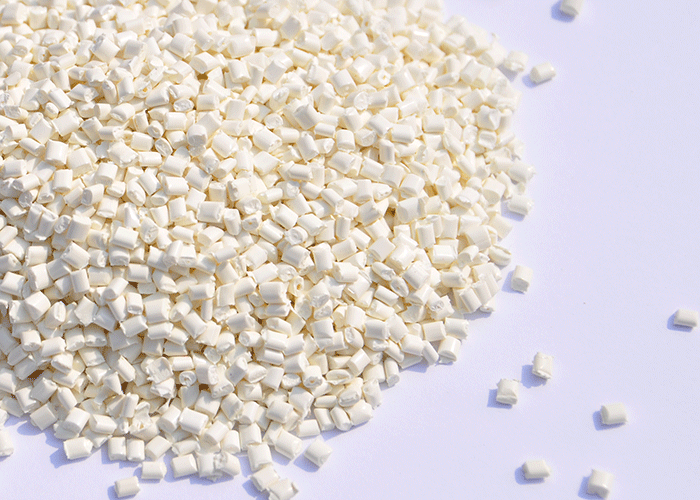
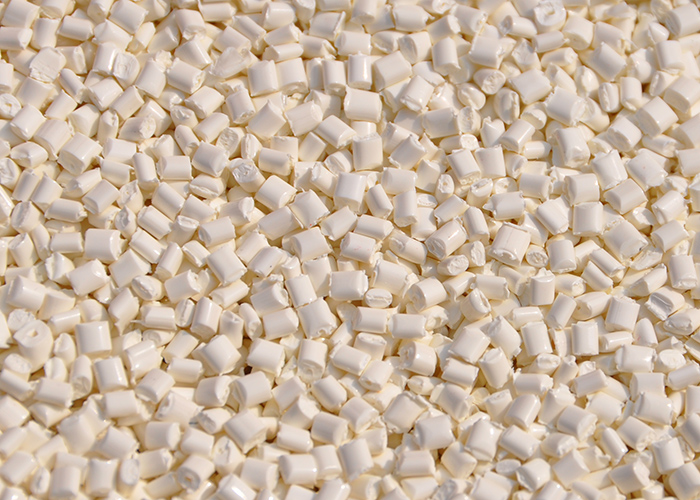
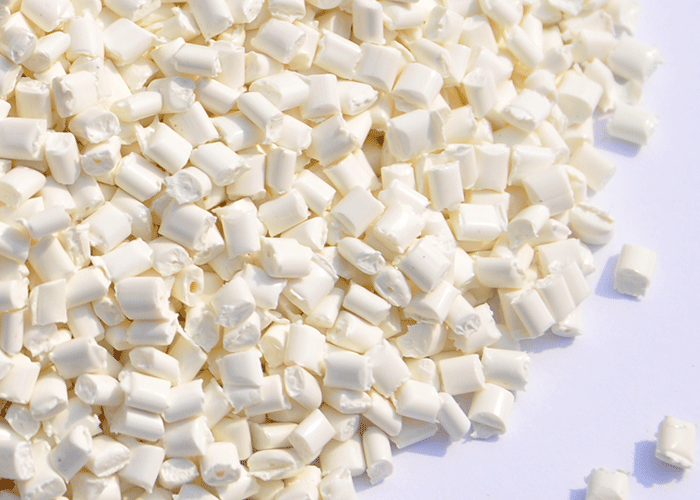
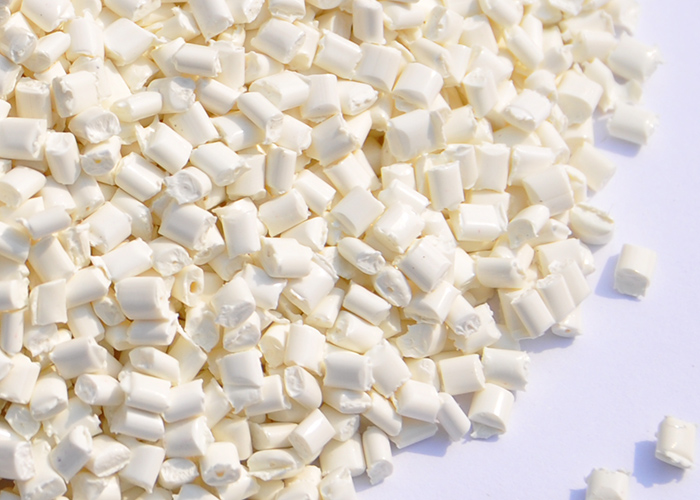
- Polypropylene color masterbatch offers uniform coloration and strong stability.
- Polyamide color masterbatch: A coloring solution suitable for high-temperature processes
- Polyamide color masterbatch is evenly dispersed and resistant to high temperatures. It is
- Polyester color masterbatch - Uniform dispersion, suitable for spinning, stable color, spe
- Comprehensive Analysis of Plastic Industry Data
- Non-woven fabric color masterbatch | Uniform color, stable compatibility, enhancing high-q
- Non-woven fabric color masterbatch, color masterbatch coloring efficiency, color masterbat
- Plastic color masterbatch: Coloring principle, product types and selection guidelines
- Which nylon color masterbatch manufacturer is reliable? Detailed introduction of nylon col
- Observation on the Transformation Trends of the Plastic Industry in 2026