- Why are nylon color masterbatches classified as spinning grade, injection molding grade, and film grade?
- Can polyester color masterbatch and polypropylene color masterbatch be used interchangeably? What are the differences?
- Why are polyester color masterbatches divided into injection molding grade, spinning grade, and film grade?
- The development of the plastic industry from January to October 2026
- Polypropylene color masterbatch offers uniform coloration and strong stability.

- Tel: 0086-13705451607
- Fax: 0086-0535-8719999
- Email: lkhc668@sohu.com
- Add: East Heping, High-tech Zone, Longkou City, Shandong Province
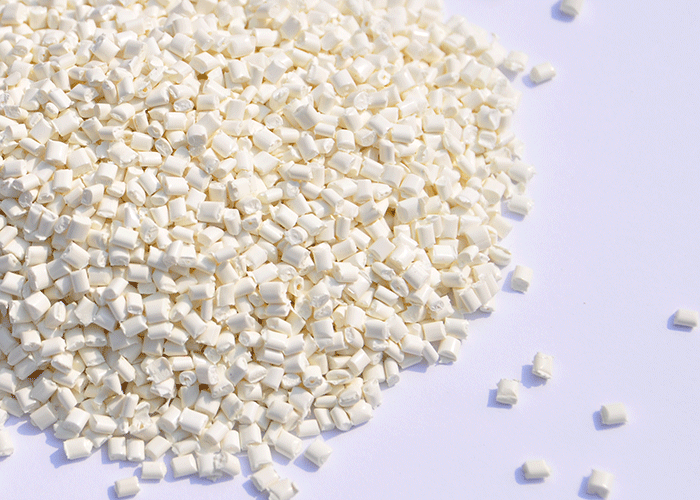
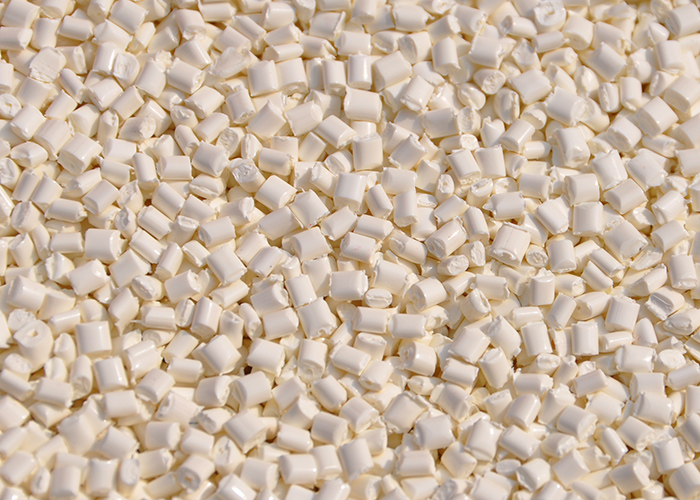
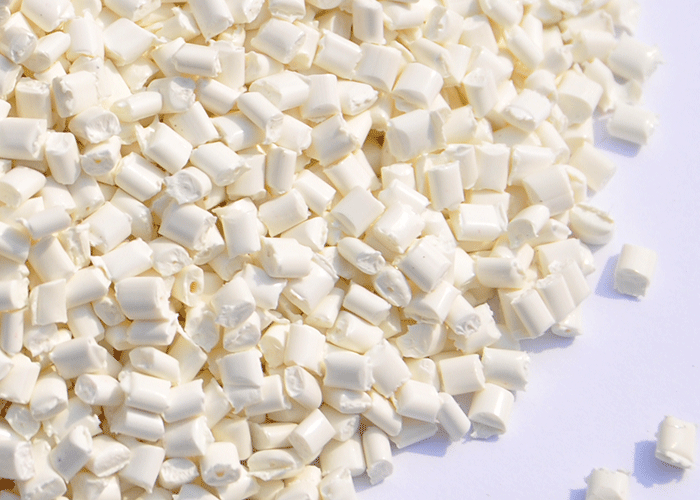
Why are nylon color masterbatches classified as spinning grade, injection molding grade, and film grade?
The processing conditions are the core reason for this classification.
The classification of nylon color masterbatches is essentially to adapt to the processing characteristics of different molding processes. Spinning, injection molding, and film processing have different melt shear strengths, residence times, and molding methods, and have very different requirements for the dispersion, heat resistance, and impurity control of color masterbatches. They cannot be used interchangeably.
The spinning process has a narrow melt channel and small nozzle diameters, with very low tolerance for impurities and agglomerated particles. Spinning grade color masterbatches require highly dispersed pigments and must not have large particles, otherwise they are prone to clogging, filament breakage, and hairiness. At the same time, the melt shear in the spinning process is intense, and the color masterbatch carrier must match the nylon substrate to ensure uniform coloration and no impact on the strength and stability of the filament.
The injection molding process has relatively gentle shear, larger fluctuations in melt residence time, and the finished products are mostly thick-walled or irregular-shaped parts. Injection molding grade color masterbatches place greater emphasis on heat resistance stability and color coverage, while also considering the surface effect of the product, reducing flow marks and color differences. Compared to spinning grade, it may have a slightly relaxed requirement for ultrafine dispersion and the formulation may be adapted to the filler system to meet the production of various modified nylon parts.
The film grade requires good melt extensibility and is rapidly stretched and extended during molding. Poor dispersion of the color masterbatch will form crystal points and color spots on the film surface, and it is prone to cracking during stretching. Therefore, film grade color masterbatches must balance dispersion and extensibility, strictly control pigment agglomeration, avoid defects during the stretching process of the film, and ensure uniform and transparent film surface.
Mixing different grades of color masterbatches at will is likely to cause quality problems. Using injection molding grade to spin, particle agglomeration is likely to cause frequent filament breakage and plate blockage; using spinning grade for injection molding, although most can be colored, the cost is high and the cost-effectiveness is insufficient; using ordinary color masterbatches for film production will result in a significant increase in defective products.
The carriers, pigment particle sizes, and additive systems of the three types of color masterbatches are adjusted specifically. When purchasing, prioritize selecting based on the downstream molding process. If necessary, conduct trial production on the machine to observe the uniformity of coloration, processing stability, and appearance of the finished product to confirm compatibility.
If you need sample consultation, please feel free to contact us.
- Why are nylon color masterbatches classified as spinning grade, injection molding grade, a
- Can polyester color masterbatch and polypropylene color masterbatch be used interchangeabl
- Why are polyester color masterbatches divided into injection molding grade, spinning grade
- The development of the plastic industry from January to October 2026
- Polypropylene color masterbatch offers uniform coloration and strong stability.
- Polyamide color masterbatch: A coloring solution suitable for high-temperature processes
- Polyamide color masterbatch is evenly dispersed and resistant to high temperatures. It is
- Polyester color masterbatch - Uniform dispersion, suitable for spinning, stable color, spe
- Comprehensive Analysis of Plastic Industry Data
- Non-woven fabric color masterbatch | Uniform color, stable compatibility, enhancing high-q