- Can polyester color masterbatch and polypropylene color masterbatch be used interchangeably? What are the differences?
- Why are polyester color masterbatches divided into injection molding grade, spinning grade, and film grade?
- The development of the plastic industry from January to October 2026
- Polypropylene color masterbatch offers uniform coloration and strong stability.
- Polyamide color masterbatch: A coloring solution suitable for high-temperature processes

- Tel: 0086-13705451607
- Fax: 0086-0535-8719999
- Email: lkhc668@sohu.com
- Add: East Heping, High-tech Zone, Longkou City, Shandong Province
Non-woven fabric color masterbatch procurement: Industry trends and selection reference
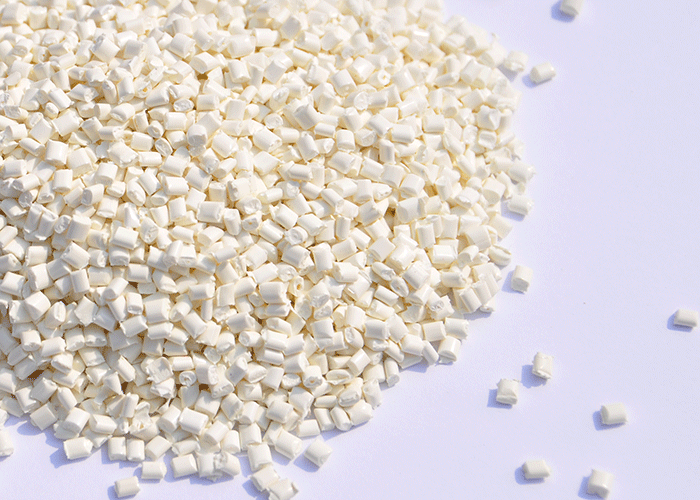
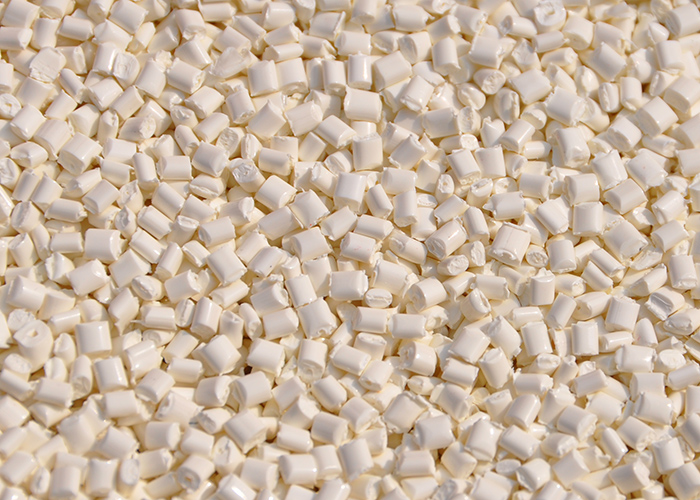
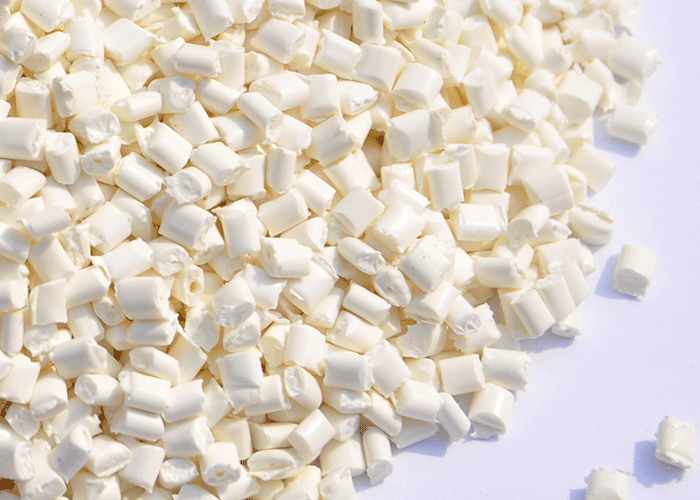
Non-woven fabric color masterbatch es are the key materials for coloring in processes such as PP spunbonding, meltblowning, and spunlace. As the application scenarios of non-woven fabrics expand from traditional packaging and medical fields to high-end medical supplies and high-performance filtration materials, higher requirements have been placed on the purity, dispersion, heat resistance, and functional complexity of color masterbatches. Below, from the perspective of industry trends, we provide you with some references.
1. The demand for segmentation and functional integration is increasing.
In the past, when purchasing Non-woven fabric color masterbatches, the main focus was on color and price. Now, the refinement of downstream application scenarios and the complexity of functions are becoming new considerations for selection.
Detailed scene requirements call for greater precision: For products like diapers and sanitary pads by Eisai, there are higher demands for skin safety and low odor; for those used in medical protection, more attention is paid to bacterial filtration efficiency and anti-static properties; for those used in agricultural coverings, factors such as anti-aging, light transmittance, and insulation must also be considered. Clearly specifying the final application to the supplier during procurement can help match the appropriate pigment system and functional additives.
The use of functional masterbatches is increasing: single coloring no longer meets the requirements. Antibacterial, hydrophilic, flame-retardant, anti-static, and anti-aging functions are gradually being achieved through the combination of functional masterbatches and color masterbatches, in order to reduce the subsequent spraying or impregnation processes. Some suppliers can provide integrated coloring and functional composite masterbatches, simplifying the on-site batching process.
Demand for light colors increases: As the application of non-woven fabrics expands in decoration and home furnishing fields, the demand for light colors such as off-white, light gray, and pastel colors is on the rise. The control of color differences between batches of color masterbatches for light colors is more demanding, posing challenges to the color matching capabilities and quality control systems of suppliers.
II. Purity and batch stability have become the key considerations.
Non-woven fabric production is fast and has high filtration accuracy (especially in the meltblown process). Impurities or large agglomerates in the color masterbatch can directly affect production efficiency and product quality.
Filter performance is of concern: The color masterbatch used for meltblown fabric needs to undergo more precise filtration and particle size control to reduce the risk of clogging the mesh and extend the service life of the components. When purchasing, one can pay attention to whether the supplier provides filter performance data such as the differential pressure value (DF value).
Batch stability management: Non-woven fabric color masterbatches are usually purchased continuously. The consistency of color and dispersion effect between batches directly affects the fabric quality and customer trust. Whether the supplier has a complete traceability system covering raw material inspection, process control, and batch sampling is an important reference for evaluating their quality control capabilities. Longkou Huacai Plastic Industry Co., Ltd. has obtained SGS standard system certification and exports its products to countries such as Europe and the United States.
Compliance and certification requirements: For export or high-end Wafu products using non-woven fabric, it is often necessary for the color masterbatch to obtain certifications such as RoHS, REACH, FDA or skin irritation tests. Before purchasing, confirming whether the supplier has the relevant qualifications can reduce subsequent factory inspection and compliance risks.
Summary and Selection Suggestions
When purchasing non-woven fabric color masterbatches, the following points are recommended to be paid attention to:
Clarify the purpose and process: Is it for pharmaceuticals, medical use, agricultural purposes, or filtration? Is it spunbond, meltblown, or needling? Different scenarios have different requirements for purity, heat resistance and functionality.
Evaluate the supplier's quality control and certification capabilities: Does the supplier have the ability to retain samples by batch, conduct filtration performance tests, and obtain relevant safety certifications (such as SGS, RoHS, etc.)?
Sample machine testing: Conduct a small-scale trial on your production line to observe the dispersion effect, color accuracy, and the impact on filtration pressure.
Longkou Huacai Plastic Industry Co., Ltd. specializes in the production of polypropylene color masterbatches, nylon color masterbatches, polyester color masterbatches, non-woven fabric color masterbatches, plastic color masterbatches, functional masterbatches, etc. We can provide on-site color matching according to customer requirements. Our products have passed the SGS standard system certification and are exported to countries such as Europe and the United States. Please feel free to send samples for testing.
Official website: www.lkhcsy.com
Contact Information:
Service Hotline: 13705451607
Email: lkhc668@sohu.com
Address: East Heping, High-tech Zone, Longkou City, Shandong Province
- Can polyester color masterbatch and polypropylene color masterbatch be used interchangeabl
- Why are polyester color masterbatches divided into injection molding grade, spinning grade
- The development of the plastic industry from January to October 2026
- Polypropylene color masterbatch offers uniform coloration and strong stability.
- Polyamide color masterbatch: A coloring solution suitable for high-temperature processes
- Polyamide color masterbatch is evenly dispersed and resistant to high temperatures. It is
- Polyester color masterbatch - Uniform dispersion, suitable for spinning, stable color, spe
- Comprehensive Analysis of Plastic Industry Data
- Non-woven fabric color masterbatch | Uniform color, stable compatibility, enhancing high-q
- Non-woven fabric color masterbatch, color masterbatch coloring efficiency, color masterbat