- Can polyester color masterbatch and polypropylene color masterbatch be used interchangeably? What are the differences?
- Why are polyester color masterbatches divided into injection molding grade, spinning grade, and film grade?
- The development of the plastic industry from January to October 2026
- Polypropylene color masterbatch offers uniform coloration and strong stability.
- Polyamide color masterbatch: A coloring solution suitable for high-temperature processes

- Tel: 0086-13705451607
- Fax: 0086-0535-8719999
- Email: lkhc668@sohu.com
- Add: East Heping, High-tech Zone, Longkou City, Shandong Province
Concentrated essence of color: the composition art of plastic color masterbatch of Longkou Huacai Plastic Industry Co., Ltd!
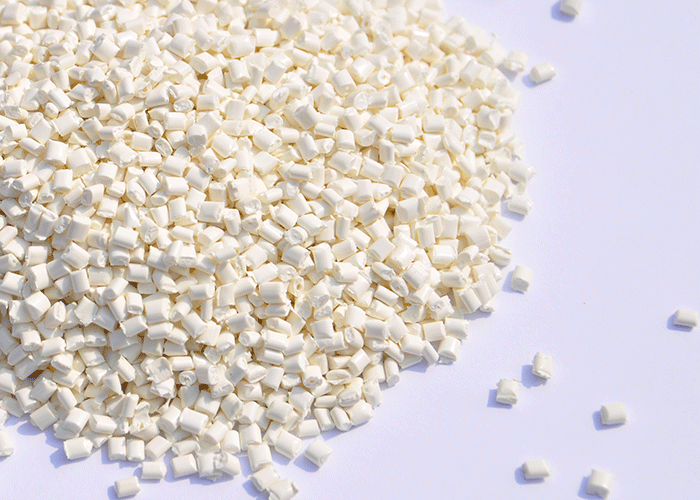
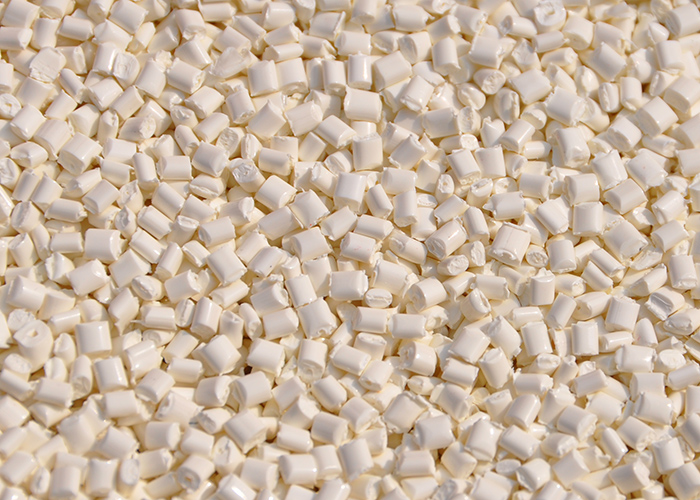
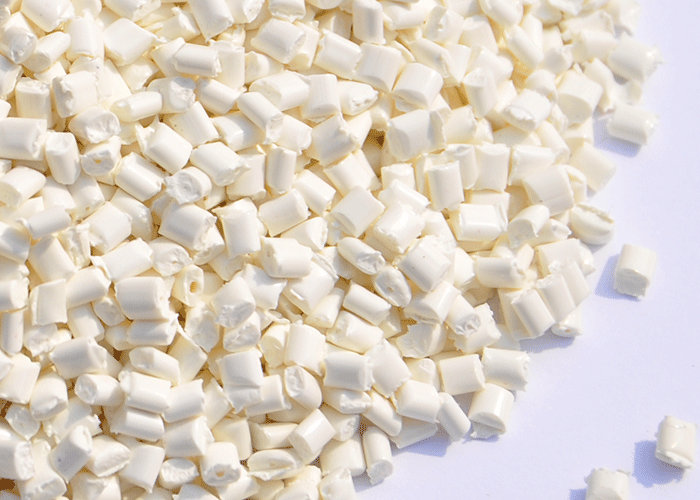
In the modern plastic industry, color masterbatch is not simply a pigment, but a precision composite material that pre concentrates colorful colors and rich functions into tiny particles. It is like a "color capsule" tailored for plastic, which is the key core determining the aesthetic appearance and functional characteristics of the final product.
The composition of color masterbatch is mainly based on a classic and efficient ternary system.
Its core and soul are coloring agents. This includes organic pigments that offer a variety of vibrant colors, inorganic pigments that demonstrate excellent coverage and weather resistance, and effect pigments that meet special optical needs (such as metallic or pearlescent effects). It is these carefully selected coloring ingredients that establish the color tone.
However, pigments alone cannot be uniformly integrated into plastics. This depends on the carrier resin - it is the basic structure of the color masterbatch, like a "carriage" that carries colors. The carrier is usually made of resin that has good compatibility with the target product plastic, and it melts first during the processing, becoming a key medium for smooth and uniform transportation and dispersion of pigments throughout the plastic matrix.
In order to ensure stable and uniform dispersion of pigments in the carrier and avoid agglomeration, dispersants are indispensable. It is like an efficient "coordinator" wrapped around the surface of pigment particles, reducing their tendency to aggregate and ensuring that each tiny color unit can exist independently and stably in the molten plastic, thereby achieving uniform and pure color of the final product.
In addition, according to specific needs, functional additives such as brightening agents, antioxidants, UV absorbers, etc. will be scientifically added to the color masterbatch, making it go beyond the simple coloring function and become a composite additive that can simultaneously improve the aging resistance, glossiness, or special properties of plastic products.
Therefore, the essence of plastic masterbatch is a "pre dispersion" that functionalizes and composites various materials such as pigments, carriers, and additives through precise formula design and advanced processing technology. It simplifies complex coloring and modification processes into a simple physical mixing process, injecting vitality and performance guarantees into the ever-changing plastic world with extremely high efficiency and reliability.
- Can polyester color masterbatch and polypropylene color masterbatch be used interchangeabl
- Why are polyester color masterbatches divided into injection molding grade, spinning grade
- The development of the plastic industry from January to October 2026
- Polypropylene color masterbatch offers uniform coloration and strong stability.
- Polyamide color masterbatch: A coloring solution suitable for high-temperature processes
- Polyamide color masterbatch is evenly dispersed and resistant to high temperatures. It is
- Polyester color masterbatch - Uniform dispersion, suitable for spinning, stable color, spe
- Comprehensive Analysis of Plastic Industry Data
- Non-woven fabric color masterbatch | Uniform color, stable compatibility, enhancing high-q
- Non-woven fabric color masterbatch, color masterbatch coloring efficiency, color masterbat