- Can polyester color masterbatch and polypropylene color masterbatch be used interchangeably? What are the differences?
- Why are polyester color masterbatches divided into injection molding grade, spinning grade, and film grade?
- The development of the plastic industry from January to October 2026
- Polypropylene color masterbatch offers uniform coloration and strong stability.
- Polyamide color masterbatch: A coloring solution suitable for high-temperature processes

- Tel: 0086-13705451607
- Fax: 0086-0535-8719999
- Email: lkhc668@sohu.com
- Add: East Heping, High-tech Zone, Longkou City, Shandong Province
Non-woven masterbatch formula detailed!
First, the role of Non-woven masterbatch
Non-woven masterbatch is an important material used in the production of non-woven fabrics, its main role is to dye non-woven fabrics, add color at the same time can also improve the texture and beauty of non-woven materials. Therefore, the quality of the non-woven masterbatch for non-woven fabrics
The quality of the product has a crucial impact.
Second, the composition of the non-woven color masterbatch
The composition of the Non-woven masterbatch is more complex, and it needs to be adjusted according to different needs and requirements. Generally, the materials available are as follows:
1. Dye pigments: acidic, neutral, cationic, anionic and other dye pigments can be selected, mainly according to the material of non-woven fabrics and the color that needs to be dyed.
2. Adhesive: The selection of appropriate adhesive can make the stability and uniformity of the masterbatch higher.
3. Stabilizer: used to prevent color changes or other quality problems during storage and use of the masterbatch.
4. Additives: wetting agent, defoamer, thickener, antifreeze agent, etc. can be added according to specific needs to improve product performance and quality.
Third, the production method of Non-woven masterbatch formula
The production method of Non-woven masterbatch is generally divided into the following steps:
1. Material selection: Select the corresponding dyes, pigments, adhesives, stabilizers and auxiliaries according to the needs.
2. Proportional deployment: Various materials are mixed according to a certain proportion to ensure the quality and stability of the color masterbatch.
3. Grinding and filtering: The prepared masterbatch through the grinding and filtering process, remove the particles and other impurities, to ensure the fineness and quality of the masterbatch.
4. Packaging and storage: Put the masterbatch into the appropriate packaging bag, and store and transport under moisture proof, sun protection and low temperature environment to maintain the quality and stability of the masterbatch.
Longkou Huacai Plastic Industry Co., Ltd is a modern industrial enterprise integrating technology, production and sales with strong technical strength, advanced equipment and vigor. Specializing in the production of polypropylene masterbatch, polyamide masterbatch, polyester masterbatch, non-woven fabric masterbatch, plastic masterbatch, functional masterbatch, modified plastics, etc., can be widely used in chemical fiber, non-woven fabric, injection molding, blow molding, extrusion and other industries.
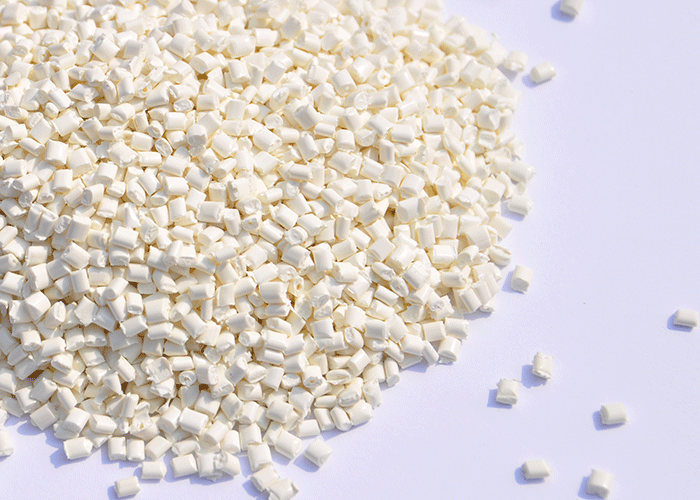
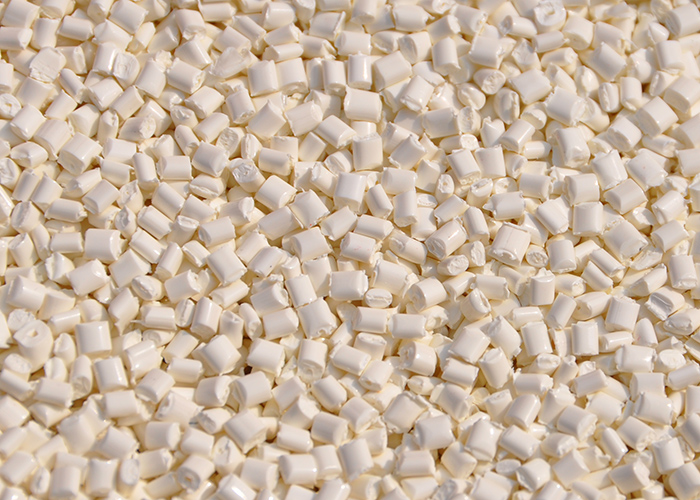
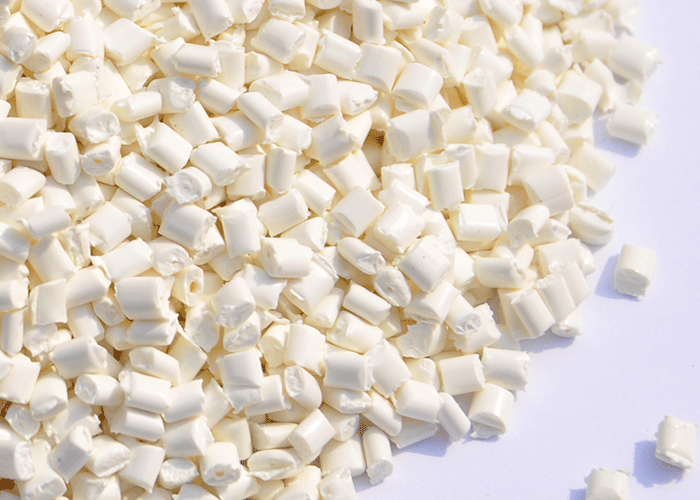
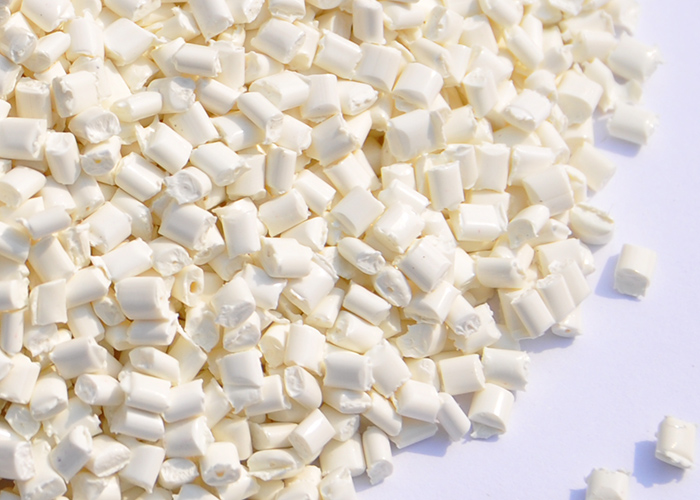
- Can polyester color masterbatch and polypropylene color masterbatch be used interchangeabl
- Why are polyester color masterbatches divided into injection molding grade, spinning grade
- The development of the plastic industry from January to October 2026
- Polypropylene color masterbatch offers uniform coloration and strong stability.
- Polyamide color masterbatch: A coloring solution suitable for high-temperature processes
- Polyamide color masterbatch is evenly dispersed and resistant to high temperatures. It is
- Polyester color masterbatch - Uniform dispersion, suitable for spinning, stable color, spe
- Comprehensive Analysis of Plastic Industry Data
- Non-woven fabric color masterbatch | Uniform color, stable compatibility, enhancing high-q
- Non-woven fabric color masterbatch, color masterbatch coloring efficiency, color masterbat