- Why are nylon color masterbatches classified as spinning grade, injection molding grade, and film grade?
- Can polyester color masterbatch and polypropylene color masterbatch be used interchangeably? What are the differences?
- Why are polyester color masterbatches divided into injection molding grade, spinning grade, and film grade?
- The development of the plastic industry from January to October 2026
- Polypropylene color masterbatch offers uniform coloration and strong stability.

- Tel: 0086-13705451607
- Fax: 0086-0535-8719999
- Email: lkhc668@sohu.com
- Add: East Heping, High-tech Zone, Longkou City, Shandong Province
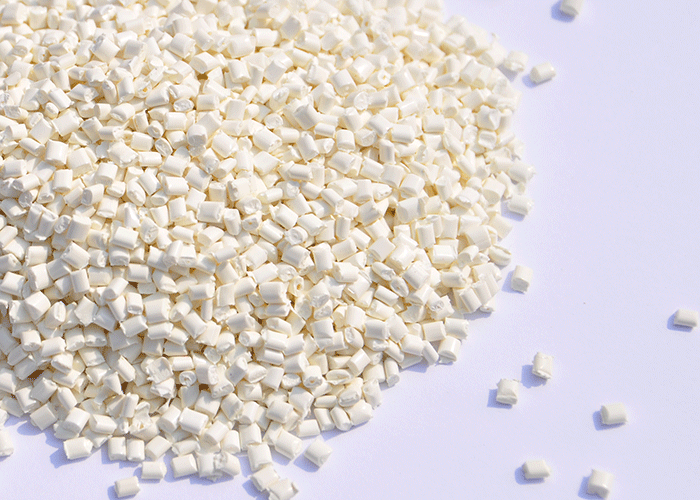
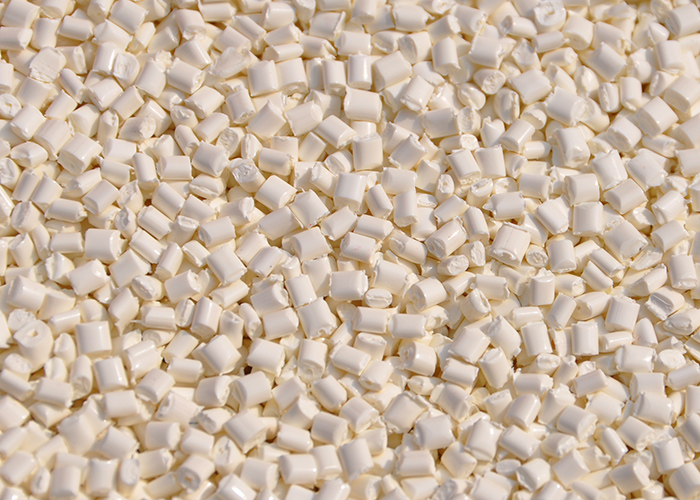
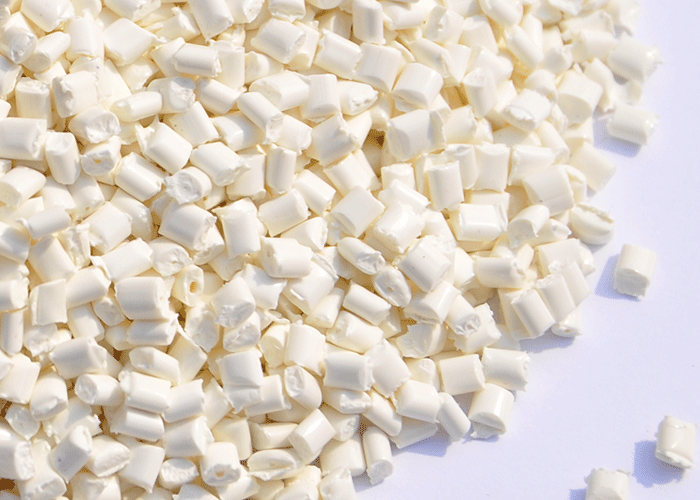
The Engine of Color: Multi-dimensional Analysis of Polyester Masterbatch!
In the modern chemical fiber industry, the rich colors and stable performance of polyester fibers are largely attributed to a key material - polyester masterbatch. It is a granular colorant made by uniformly dispersing and encapsulating high-concentration pigments or dyes with polyester as the carrier through high-precision processing technology. A multi-dimensional analysis of it can reveal its profound value that goes beyond simple coloring.
Dimension One: Component Composition and Technical Core
Polyester masterbatch is not a simple pigment mixture; its composition is a precise system. The core components include:
Carrier resin: Usually, low-melting-point polyester or modified polyester with good compatibility with polyester fibers is adopted. It is not only the carrier base of the pigment, but more importantly, it can be well fused and combined with the main polyester chips during the spinning process, ensuring the stable fixation of the color.
Colorants: These are the fundamental elements that give color and can be classified into organic pigments and inorganic pigments. Organic pigments are bright in color and have strong coloring power. Inorganic pigments (such as titanium dioxide and carbon black) have excellent covering power, heat resistance and weather resistance.
Dispersants and additives: This is the essence of masterbatch technology. They can effectively coat pigment particles, reduce their surface energy, prevent agglomeration, and ensure their uniform dispersion at the nanoscale in the carrier and ultimately within the fibers. In addition, heat stabilizers, plasticizers, etc. may also be added to enhance processing stability and fiber performance.
Dimension Two: Performance Advantages and Value Connotations
Compared with traditional dyeing processes, using color masterbatches for original solution coloring has significant advantages:
Outstanding color uniformity and stability: The pigment is evenly distributed within the fiber, resulting in rich colors, high color fastness, and less prone to color differences and color streaks. Moreover, it has excellent resistance to washing, friction, and light.
Excellent processing adaptability and environmental friendliness: The color masterbatch has good compatibility and rheological properties with polyester chips, which can meet the strict requirements of high-speed spinning (POY, FDY) and texturing processes. At the same time, it fundamentally avoids the subsequent dyeing and finishing processes, significantly reducing the discharge of wastewater and waste gas, and is a clean production technology.
Flexibility and economy: By online blending of a small amount of color masterbatch with basic slices, color switching can be quickly achieved, meeting the flexible production demands of small batches and multiple varieties. Although the unit price of color masterbatches is relatively high, in terms of comprehensively saving dyeing and finishing costs, improving production efficiency, reducing energy consumption and environmental protection treatment expenses, the full life cycle cost has more advantages.
Dimension Three: Application Fields and Innovation Trends
The application of Polyester Masterbatch has permeated almost all fields of polyester fibers:
In the field of textile and apparel: It is used to produce brightly colored and highly color-fastness silk-like, sportswear, outdoor clothing and home textile fabrics.
In the field of industrial textiles: In areas such as safety ropes, tarpaulins, advertising fabrics, and geotextiles, colors with extremely high weather resistance and durability are required. Color masterbatch coloring is the best choice.
Nonwoven fabrics and decorative materials: Used for the production of colored polypropylene/polyester nonwoven fabrics, carpet filaments, etc.
At present, masterbatch technology is evolving towards functionalization and intelligence. In addition to color, it can also integrate multiple functions such as UV resistance, antibacterial, flame retardancy, and far-infrared emission, achieving "dyeing + functionalization" in one step and continuously expanding the application boundaries of polyester fibers.
Summary
Polyester masterbatch is the crystallization of the deep integration of modern fine chemical engineering and fiber manufacturing technology. It has evolved from a simple coloring tool into a key engine for enhancing product quality, achieving green manufacturing, and fostering high value-added products. A profound understanding and innovative application of its multi-dimensional characteristics are important driving forces for promoting the high-end, differentiated and sustainable development of the polyester industry.
- Why are nylon color masterbatches classified as spinning grade, injection molding grade, a
- Can polyester color masterbatch and polypropylene color masterbatch be used interchangeabl
- Why are polyester color masterbatches divided into injection molding grade, spinning grade
- The development of the plastic industry from January to October 2026
- Polypropylene color masterbatch offers uniform coloration and strong stability.
- Polyamide color masterbatch: A coloring solution suitable for high-temperature processes
- Polyamide color masterbatch is evenly dispersed and resistant to high temperatures. It is
- Polyester color masterbatch - Uniform dispersion, suitable for spinning, stable color, spe
- Comprehensive Analysis of Plastic Industry Data
- Non-woven fabric color masterbatch | Uniform color, stable compatibility, enhancing high-q