Plastic color masterbatch: Coloring principle, product types and selection guidelines
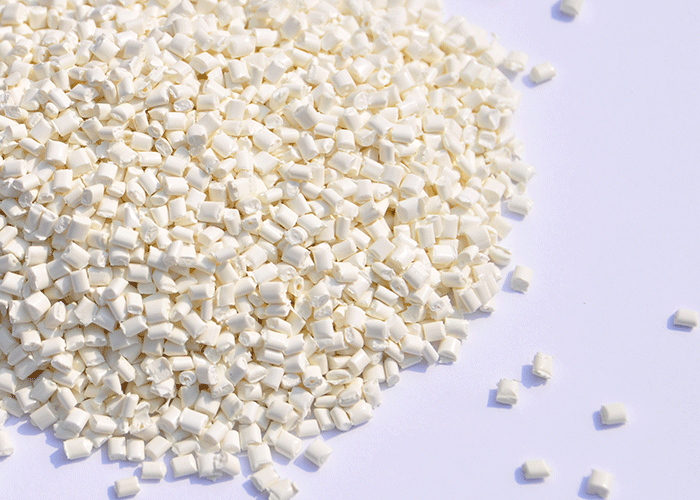
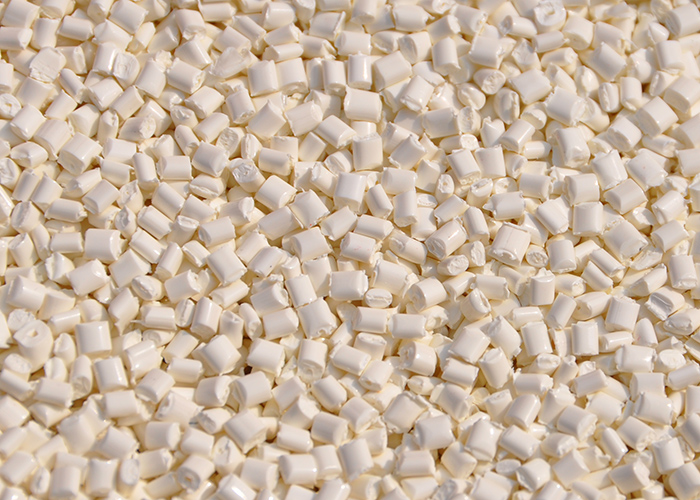
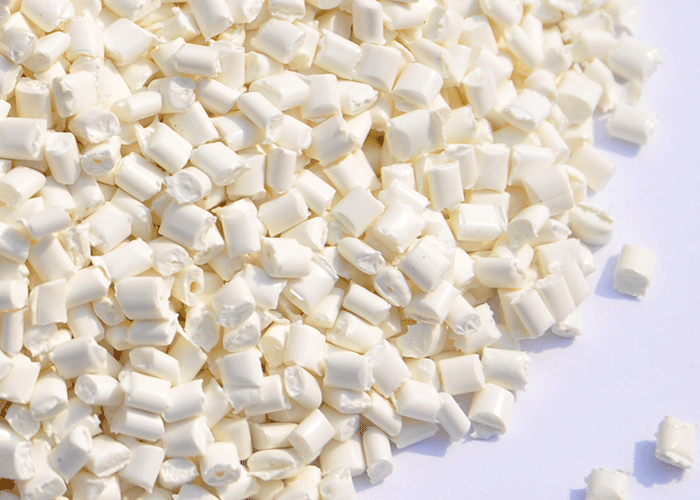
In the field of coloring and functional modification of plastic products, color masterbates are granular colorants made by uniformly dispersing pigments or additives in the carrier resin. They do not simply mix pigment powder with plastic; instead, they encapsulate the pigments within the resin carrier through a pre-dispersion process, ensuring that the coloring components can be uniformly dispersed during subsequent injection molding, extrusion, or blow molding processes. Understanding the composition logic and performance boundaries of color masterbates is helpful for making reasonable choices in product production.
The basic composition of color masterbatch
Styrene masterbatch usually consists of three core components. The quality and proportion of each component directly affect the appearance quality and mechanical properties of the final product.
Pigments or dyes: The substances that determine the final color. Inorganic pigments (such as titanium dioxide, carbon black, iron oxide) have good weather resistance and thermal stability, and are suitable for outdoor products; organic pigments (such as phthalocyanine blue, quinacridone red) have bright color and high tinting strength, and are suitable for indoor consumer products. The pigment content is generally between 10% and 50%, depending on the variety and the desired color depth.
Carrier resin: Acts as the dispersion medium and binder for the pigment. The carrier should have good compatibility with the target plastic. Typically, polyolefins (PE, PP), polystyrene (PS), or polyesters (PET) of the same or similar type as the base resin are selected. The melt index (MFI) of the carrier is generally slightly higher than that of the base resin to ensure good fluidity at processing temperatures.
Dispersants and additives: These include low-molecular-weight waxes, stearic acid salts or coupling agents, which are used to reduce the surface energy of pigment aggregates and promote the uniform dispersion of particles in the carrier. Some functional color masterbatches may also add auxiliary components such as UV inhibitors, antioxidants or antibacterial agents.
Technical advantages and applicable scenarios
Compared with directly using pigment powder, color masterbates have the following practical advantages in industrial production:
Dispersion improvement: When pigment powder is not pre-dispersed, it tends to exist in the form of agglomerates, resulting in color spots or stripes on the product surface. The color masterbatch controls the particle size of the agglomerates to be below 1-5 μm through extrusion mixing, ensuring uniform coloration.
Operational convenience: The granular form has a size similar to that of the base resin, facilitating automated measurement and mixing, and reducing the risk of dust flying and contamination in the workshop as well as the exposure risks to operators.
Batch-to-batch color difference control: The production of color masterbatches adopts standardized formulas and processes. The color difference ΔE within the same batch can generally be controlled within 1.0. The color difference stability between different batches is better than that achieved through on-site manual color mixing.
Multifunctional integration: By blending colorants and functional additives in the same masterbatch, combined requirements such as "coloring + anti-aging" and "coloring + flame retardancy" can be met, reducing the number of auxiliary materials and the process of ingredient blending.
Main application fields
The application of Plastic color masterbatches covers the production fields of the vast majority of thermoplastic products.
Packaging materials: Used for coloring food packaging films, beverage bottle labels, and daily-use plastic containers. When used for food-contact materials, a pigment system that complies with GB 4806.7 or FDA standards must be selected, and the content of heavy metals must be strictly controlled.
Automobile and household appliance accessories: Automotive instrument panels, bumpers and household appliance shells have high requirements for color durability and weather resistance. For such scenarios, pigment varieties with migration resistance and light resistance reaching level 7-8 (gray scale) should be selected to ensure that the products do not change color or powder off during their service life.
Synthetic fibers and non-woven fabrics: The main coloring methods for polypropylene, polyester fibers and non-woven fabrics are liquid dyeing. For color masterbatches used in spinning, the required pigments should have excellent thermal stability (able to withstand processing temperatures above 280℃), good filtration properties, and should not clog the spinneret.
Pipe and profile materials: Used for building drainage pipes, cable sheaths, and window and door profiles. Besides coloring, they often also have requirements for weather resistance or flame retardancy. Therefore, a color masterbatch system with a higher weather resistance grade should be selected.
Selection Criteria and Precautions
When purchasing color masterbatches, the following practical performance indicators should be paid attention to:
Paint heat resistance: The decomposition temperatures of different pigments vary. It is necessary to ensure that the heat resistance temperature of the color masterbatch is 20℃ higher than the plastic processing temperature to prevent pigment decomposition during the processing, which could cause discoloration or gas generation. For example, when used for polypropylene (processing temperature approximately 220℃), the pigment must be able to withstand 240℃ or above.
Migration: Some organic pigments may migrate within certain polymers, causing contamination at the contact surface. When used in toys or food packaging, migration tests must be conducted.
Light and weather resistance: According to the ISO 105-B02 standard, outdoor products are recommended to use those with a light resistance rating of ≥7; indoor products with a rating of ≥5 can meet most requirements.
Addition ratio: The recommended addition amount of conventional coloring masterbatch is 1% to 5%. The amount of addition does not mean the deeper the color, beyond a certain threshold, the pigment becomes saturated, and excessive addition will reduce the mechanical properties of the product (the impact strength decreases by about 5% to 15%, which is within the normal range). The actual addition amount should be based on the test results of the sample production.
Storage and Usage Suggestions
The color masterbatch should be stored in a cool and dry place, avoiding direct sunlight and high temperatures. It is recommended to use it up as soon as it is opened. The unused part should be sealed for packaging to prevent moisture absorption or oxidation. If pre-drying is needed before use, the temperature should not exceed 80℃ and the time should be controlled within 2 hours to avoid the volatilization of additives or the degradation of the carrier.
Overall, Plastic color masterbatches represent a mature technological approach for achieving and functionalizing the colors of plastic products. Their value lies in pre-eliminating the complex dispersion process, providing standardized and reproducible coloring schemes for processing steps such as injection molding and extrusion. When selecting, it is based on matching the base material and meeting the durability requirements of the end application environment. Combined with standardized addition ratio management, stable and consistent coloring effects can be achieved.